
Septic Drain Field Repair & Replacement
Before we replace a drain field, we find out why it's failing. Sometimes a targeted repair is all it needs.
A wet patch in the yard, a backed-up toilet or an alarm that won’t stop gives us somewhere to start. It doesn’t tell us how much of the system needs replacing. You can spend a lot on septic repair and still have the same problem if the cause hasn’t been dealt with. A new pump won’t help if the ground under the field is already saturated. A damaged pipe, on the other hand, may be fixable without disturbing a field that’s still doing its job.
We’re Registered Onsite Wastewater Practitioners with both Planner and Installer endorsements, so the people who investigate your field are the same people who design and build the fix. We offer a free consultation and on-site assessment to look at the problem and discuss what needs investigating before deciding whether repair or replacement makes sense.
Signs Your Septic Drain Field Is Failing
Some of these show up after heavy rain or spring snowmelt. Others start after machinery crosses the yard, or after a suite or extra bathroom is added to the house.
- Repeated backups, or several slow drains at once
- Sewage smells outside, especially near the tank or field
- Wet, spongy or unusually green ground over the field
- A septic alarm going off
- Pump-outs that only help for a few days or weeks
One slow sink might just be a blockage near that fixture. Several slow fixtures tell us to look farther along the system.
If sewage is coming into the house or reaching the surface, cut back on water use and call for help promptly. Keep children and pets away, and never open or enter a septic tank. Sewage surfacing or threatening a water supply also warrants a call to your health authority’s Environmental Health Officer. If your well may be affected, use a known safe source of drinking water until it’s tested.
Drain Field Repair or Replacement?
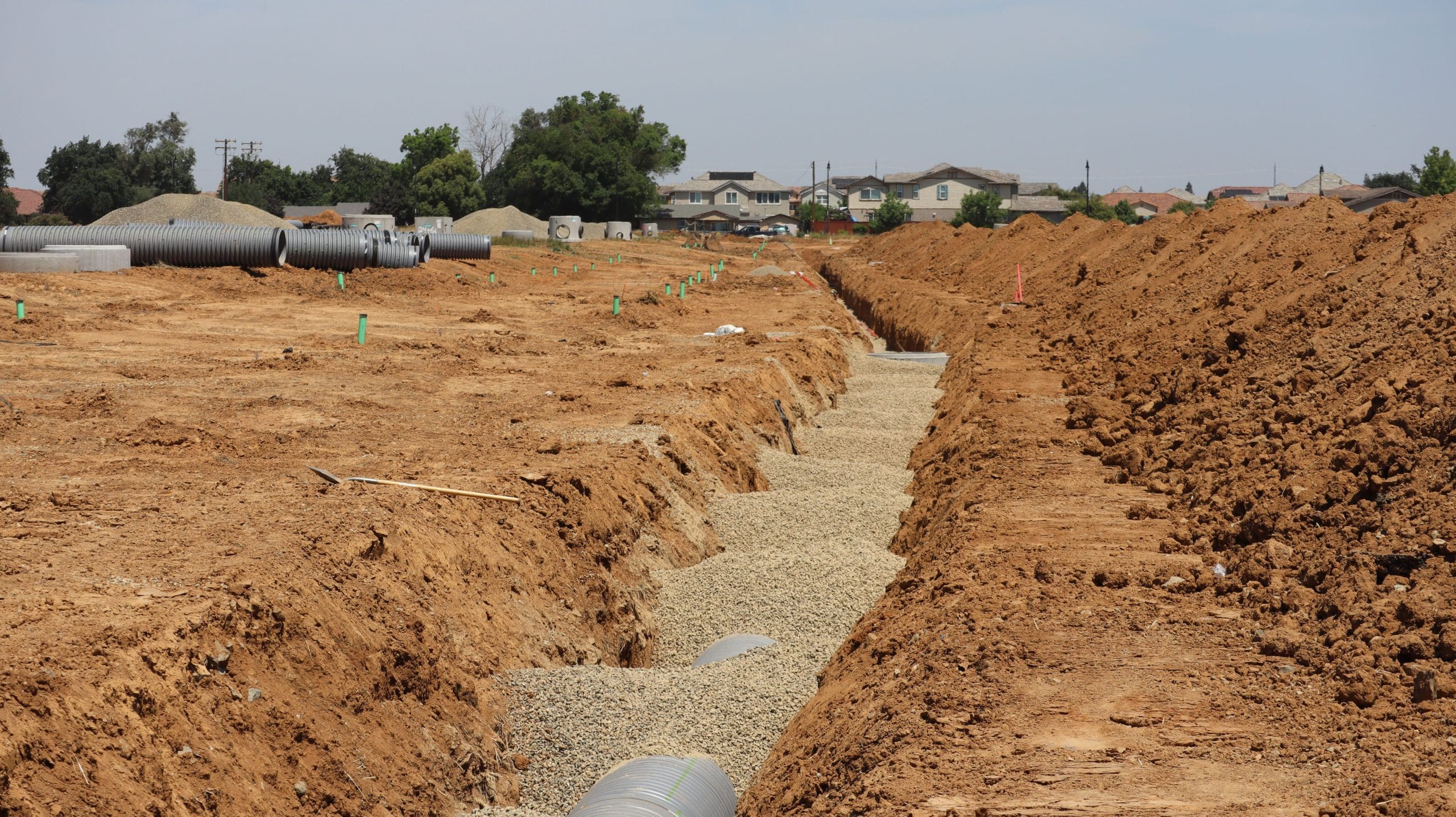
A drain field is more than the pipes in the yard. The soil around and below them does part of the treatment. New pipe in failed soil won’t fix the problem, but plenty of drain field trouble starts somewhere else. Repairs we often find worth doing:
- Replacing a broken or crushed section of pipe
- Replacing a failed pump, float or level switch that stopped effluent reaching the field
- Correcting a distribution box that sends too much water to one part of the field
- Jetting a blocked line, where the pipe is in suitable condition
Jetting can clear a pipe, but it can’t add soil depth or lower the groundwater. Extending a field has limits too: the added area has to be suitable, and the system needs a way to distribute effluent to it evenly.
When the soil can’t take the flow, or the field is badly damaged, replacement is the honest answer. Even then, the tank may be sound enough to keep. We check its capacity, connections and condition against the new design before we price the job. For more on where that line falls, see when a septic system needs repair or replacement.
What We Check Before Recommending a New Field
The history and the records
When the trouble started, how long pump-outs helped, and whether the house has changed. Old drawings, service records and past repair invoices all help, even ones that don’t seem relevant.
The tank, pump and distribution
We follow the system from the house: sewer pipe, tank condition, outlet filter, pump and controls, then the distribution to the field.
Soil and groundwater
Test pits show us what’s under the field. Clay may drain too slowly. Very coarse ground can drain too fast to treat the effluent. A high water table leaves less usable soil, and a hole that’s dry in August may not be dry in April.
Setbacks and space
BC’s Sewerage System Regulation generally requires a sewerage system, including the tank, to be at least 30 metres from a well supplying a domestic water system, and your neighbour’s well counts too. Other distances apply to watercourses, buildings and property lines. Near a creek or lake, the Riparian Areas Protection Regulation may also apply. On a small lot, these distances can decide where a new field fits. BC’s repair policy for eligible systems installed before June 25, 2010 may help in some cases, but an old location isn’t automatic permission to rebuild in the same spot.
Access and the rest of your plans
The excavator needs room, trucks need somewhere to unload sand or rock, and dug-out soil needs somewhere to sit. If you’re planning a retaining wall, driveway or addition, tell us now so the new field doesn’t end up in its way.
From there, the design might call for pressure distribution, a raised system with imported sand, a larger dispersal area or additional treatment. We’ll show you which site finding led to that choice.
Trusted & Recommended
As certified designers and installers we’re happy to discuss your future plans, or if your existing system is causing functional concerns we also do repairs to septic systems.

Trusted by our Clients

Fully Insured & Compliant

Reliable & Punctual

Worry-Free Service

Transparent Customer Service
Permits, Filings and Certification
Homeowners usually call it a septic permit. In BC, most residential systems go through professional filing and certification instead. Under the Sewerage System Regulation (SSR), an Authorized Person files the required documents with the health authority before construction, including for significant repairs or alterations to a filed system. The Standard Practice Manual, Version 3 sets out the technical requirements behind the design.
We handle the filing with your health authority (Interior Health, Fraser Health, Island Health, Vancouver Coastal Health or Northern Health, depending on your address) and check any municipal or regional district requirements. After construction, the Letter of Certification is filed within 30 days, and the system can’t be used until it’s filed. You receive the as-built drawing and maintenance plan to keep with your property records.
How Much Does Drain Field Replacement Cost?
A repair confined to one component can cost far less than a new field, and keeping a suitable tank changes the scope again. That’s why we work out what can stay before we give you a number. For typical installed prices by system type, see our BC septic system cost guide.
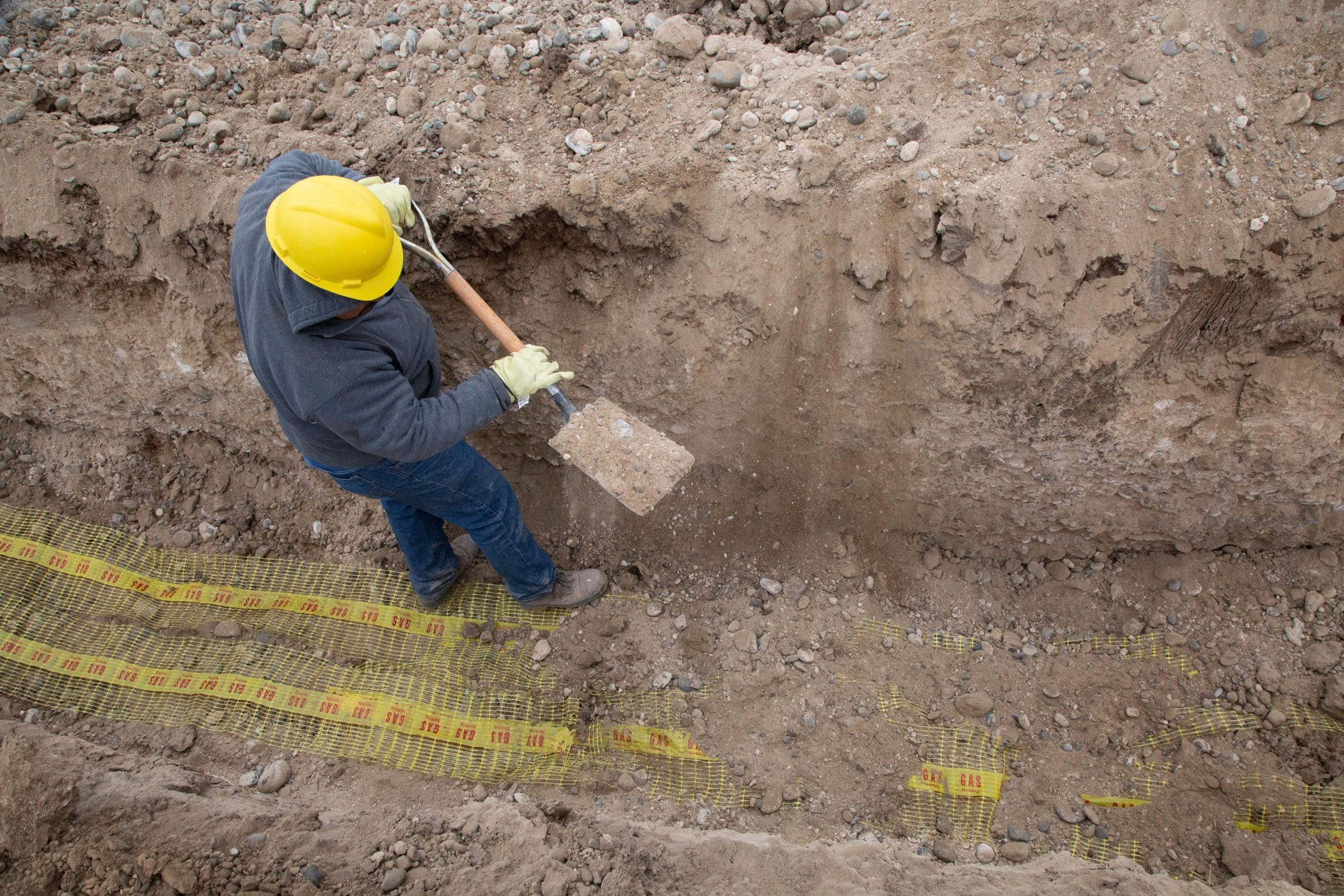
Your written estimate should show excavation, materials, equipment, labour, design and filing, plus any electrical work for a pump. It should also say what happens to the old tank, the surplus soil and your lawn or driveway, and how any surprise rock or water will be priced and approved before the work continues.
How Long Does Drain Field Replacement Take?
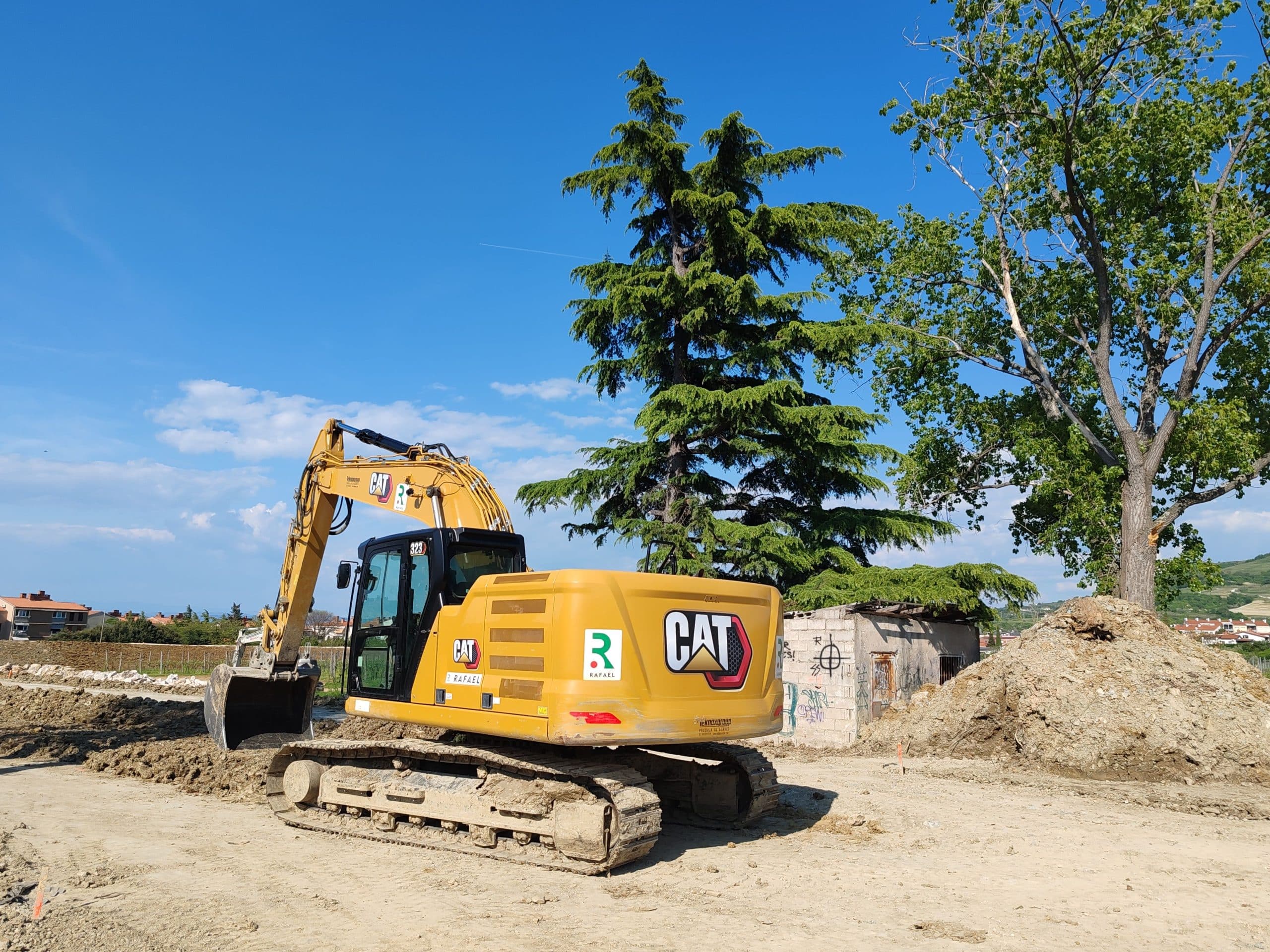
A small, accessible repair can take part of a day to two working days once the problem is diagnosed and parts are in. A straightforward field replacement usually takes three to seven working days on site. Difficult access or large amounts of imported material can stretch that to a few weeks.
The planning stage can take longer than the build. Soil investigation, design, filing and scheduling may take several weeks, and seasonal groundwater checks or environmental approvals can add more. If you’ll need temporary pumping or facilities while the system is down, we’ll plan for it up front.
Our Workmanship Guarantee
GroundStone provides a minimum two-year workmanship guarantee, with the written terms included in your proposal. Equipment warranties from the manufacturer are separate, and we’ll give you the terms for the actual tank, pump or panel we supply. At handover, we show you the alarm and go through the maintenance plan so the new field lasts.
We serve BC & beyond
Providing services across British Columbia gives us valuable knowledge on such a wide variety of topographies, soil types and lot restrictions. Through this experience it is very likely we can help you with your wastewater challenges.
Get in Touch
Tell us where the property is and what’s been happening. If someone has already looked at it, or you’ve tried a repair, let us know that too. Any excavation, pumping, testing or design beyond the free initial assessment is scoped and priced with you before we start.